
Tutorials
Learn to read XAUUSD market context, levels, traps, and risk.
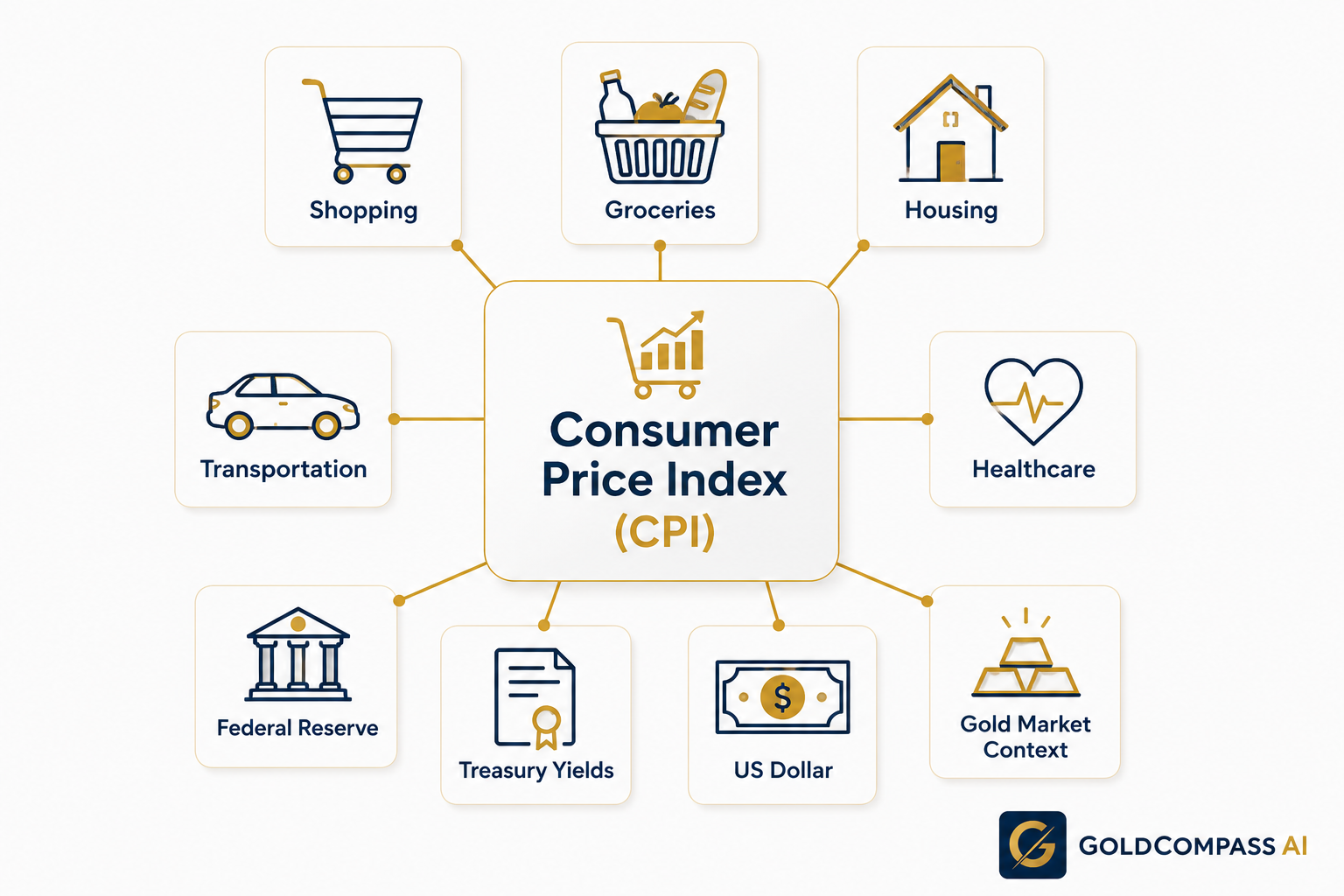
CPI Explained: How Consumer Price Index Influences Gold Prices
The Consumer Price Index (CPI) is one of the most closely watched inflation indicators in the world. Every monthly release can influence expectations for Federal Reserve policy, Treasury yields, the U.S. dollar, and ultimately gold prices. Understanding how CPI is calculated and how markets interpret inflation surprises helps traders place economic data into a broader macroeconomic context instead of reacting only to headlines.
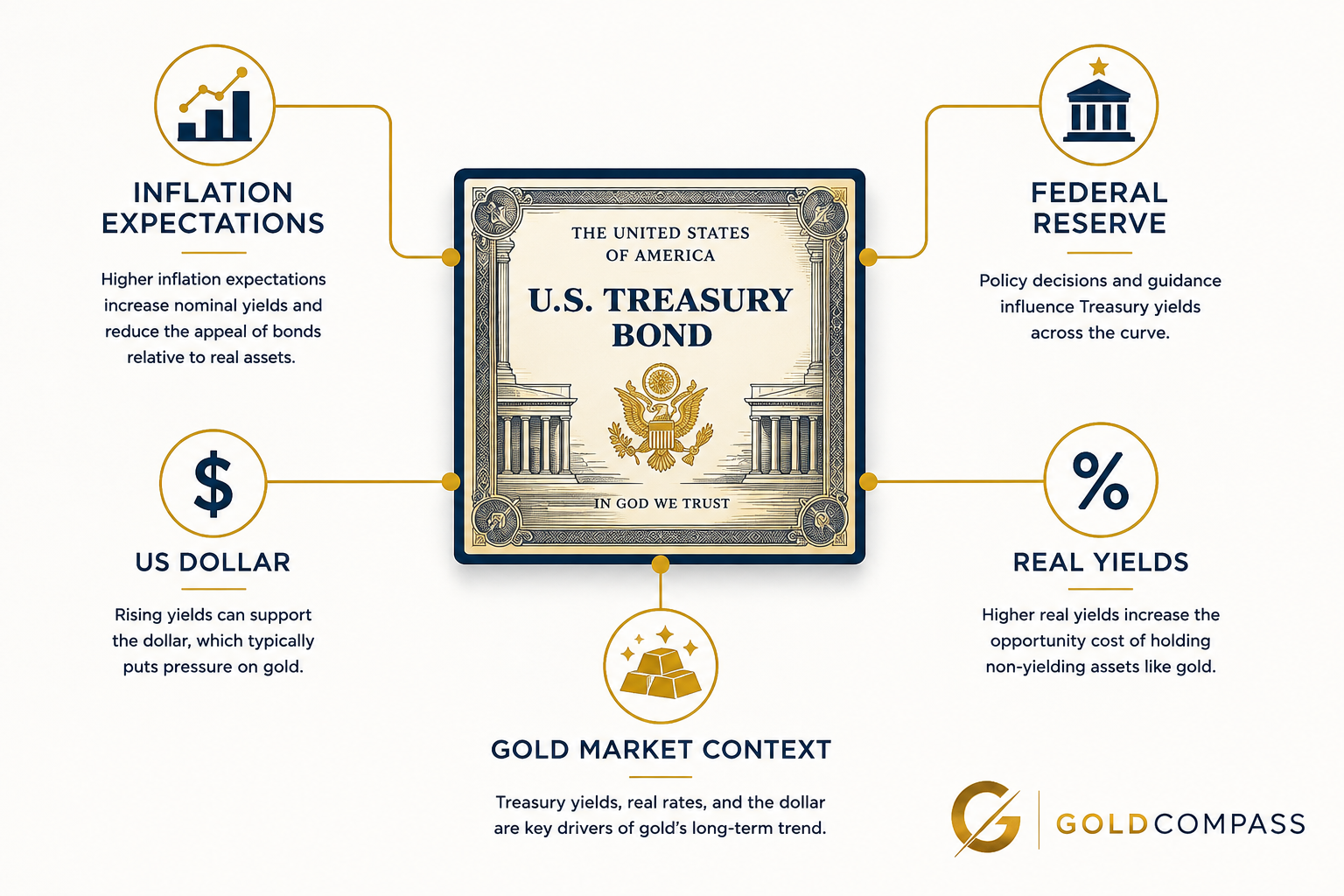
Why Treasury Yields Matter More Than Interest Rates for Gold Traders
Treasury yields are among the most important indicators for gold traders. They reflect market expectations for inflation, economic growth, and monetary policy, often influencing gold before Federal Reserve decisions are announced. Understanding nominal yields, real yields, and their relationship with the U.S. dollar provides valuable context for interpreting movements in the gold market.
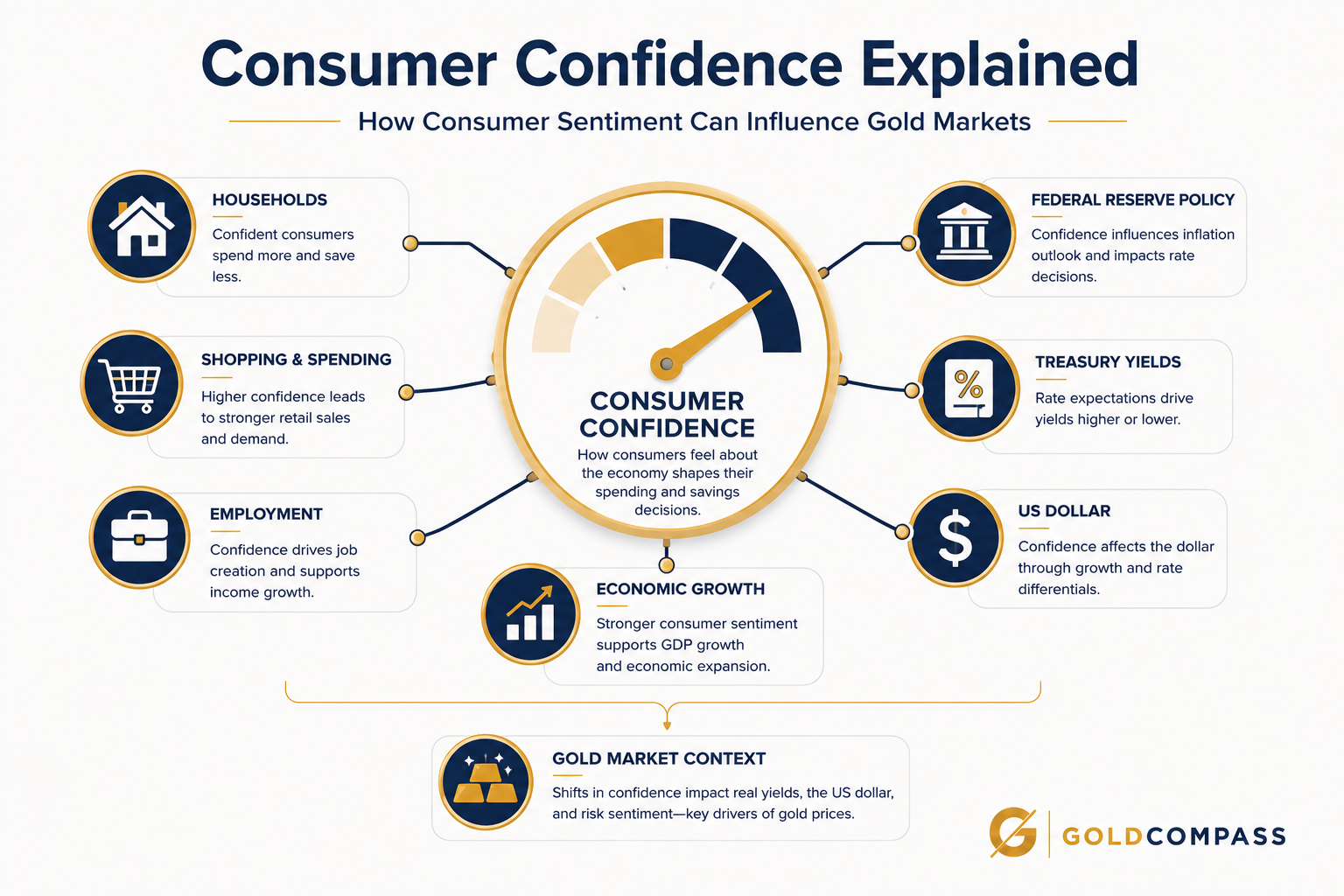
Consumer Confidence Explained: Why Sentiment Can Influence Gold
Consumer Confidence reflects how households feel about the economy, employment, and future financial conditions. While confidence is not the same as spending, shifts in consumer sentiment can influence expectations for economic growth, Federal Reserve policy, Treasury yields, the US Dollar, and ultimately the broader environment surrounding gold.
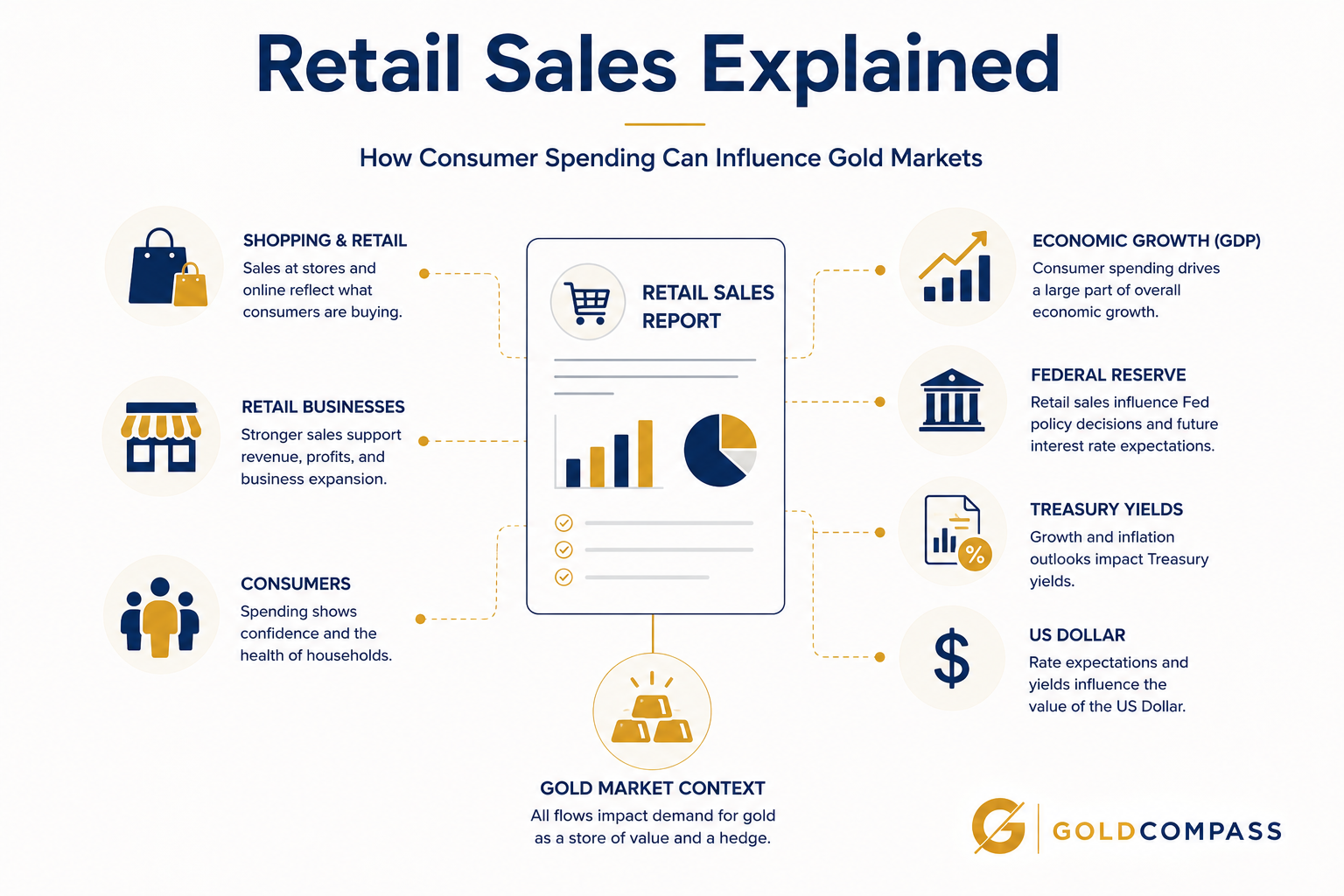
Retail Sales Explained: What Consumer Spending Can Tell Gold Traders
Consumer spending is one of the largest drivers of economic activity. Retail Sales reports help investors evaluate the strength of consumer demand, economic momentum, and potential changes in Federal Reserve expectations. Learn why this report can influence Treasury yields, the US Dollar, and the broader environment surrounding gold.
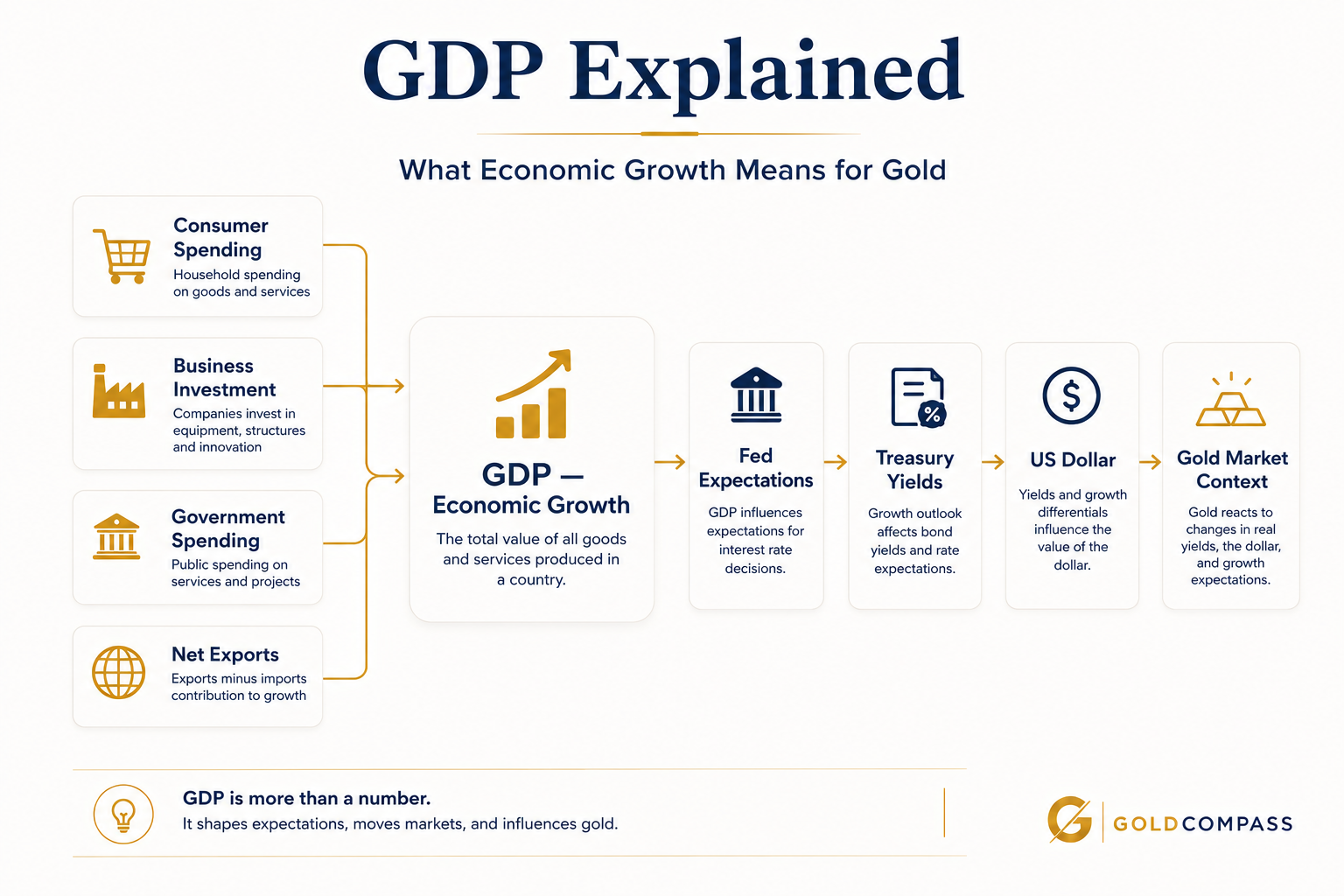
GDP Explained: What Economic Growth Means for Gold Excerpt
GDP is one of the broadest measures of economic activity, but stronger growth does not automatically mean weaker gold—and slower growth does not automatically mean stronger gold. Learn how GDP can influence Federal Reserve expectations, Treasury yields, the US Dollar, and the broader environment surrounding gold.
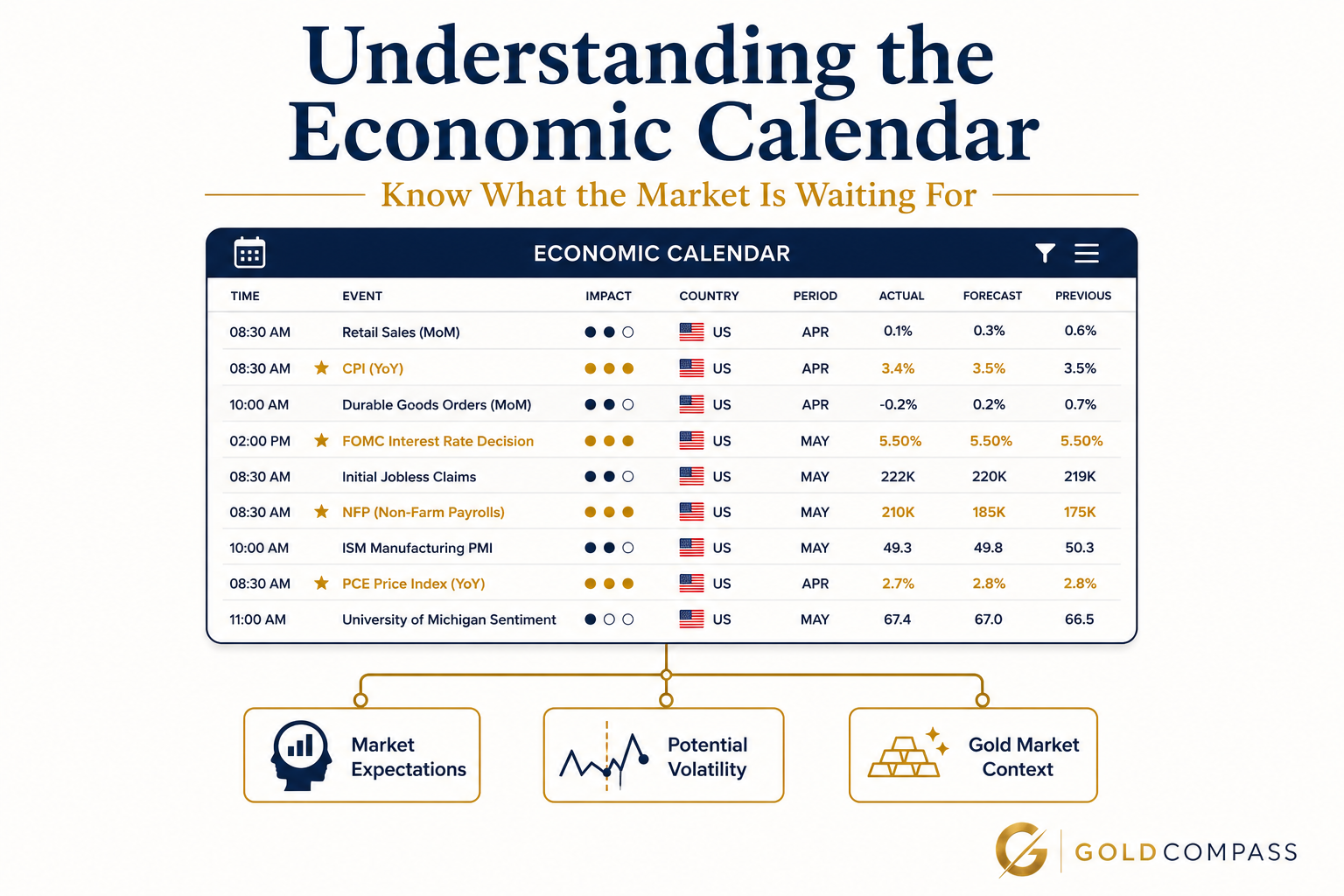
Understanding the Economic Calendar
An economic calendar tells you when information capable of changing market expectations will be released. Learn how to identify the events that matter most for gold, understand event importance, and prepare for periods when volatility may increase.
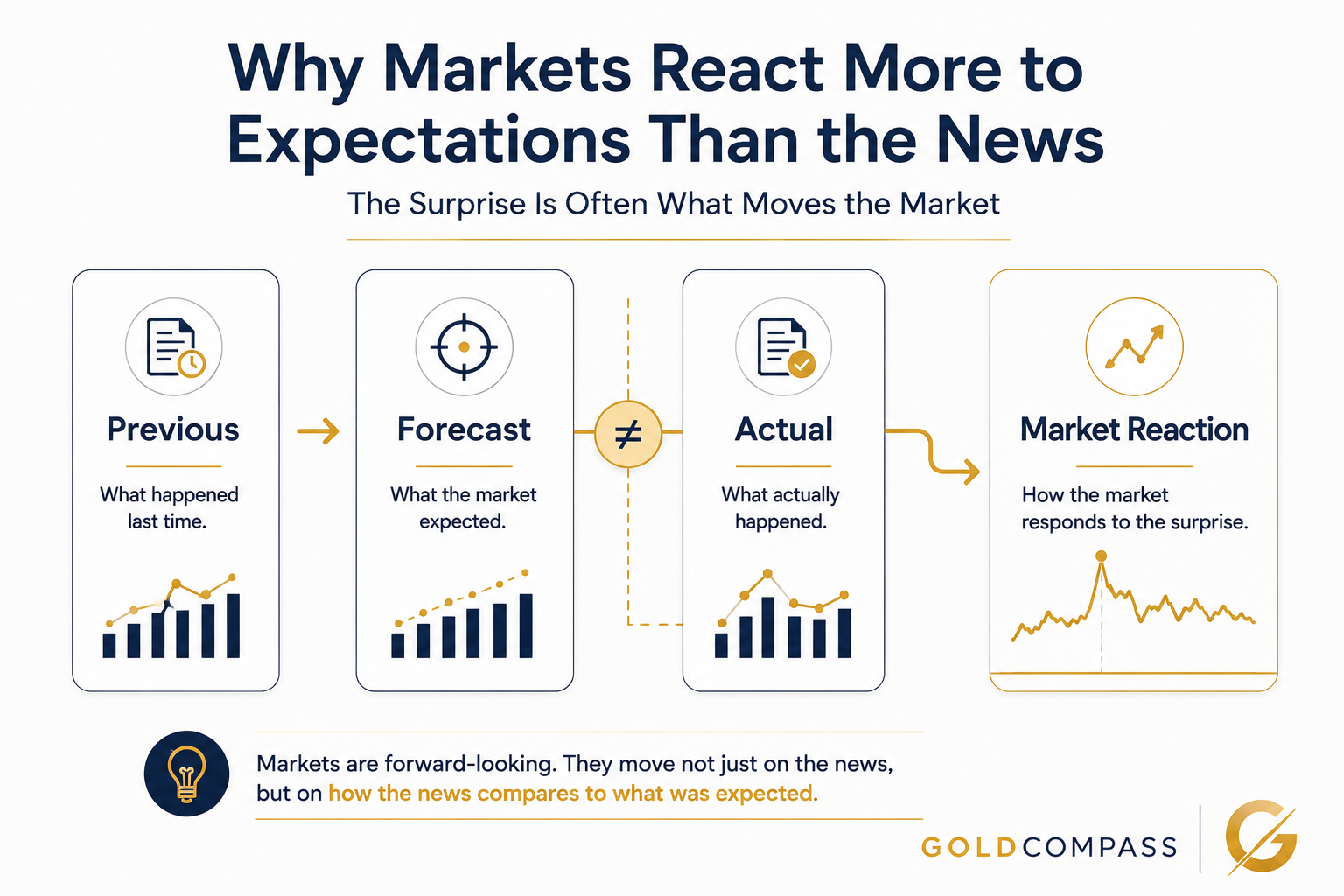
Why Markets React More to Expectations Than the News
Markets do not react to economic news in isolation. They react to the difference between what was expected and what actually happened. Learn how this simple concept can make gold market reactions much easier to understand.
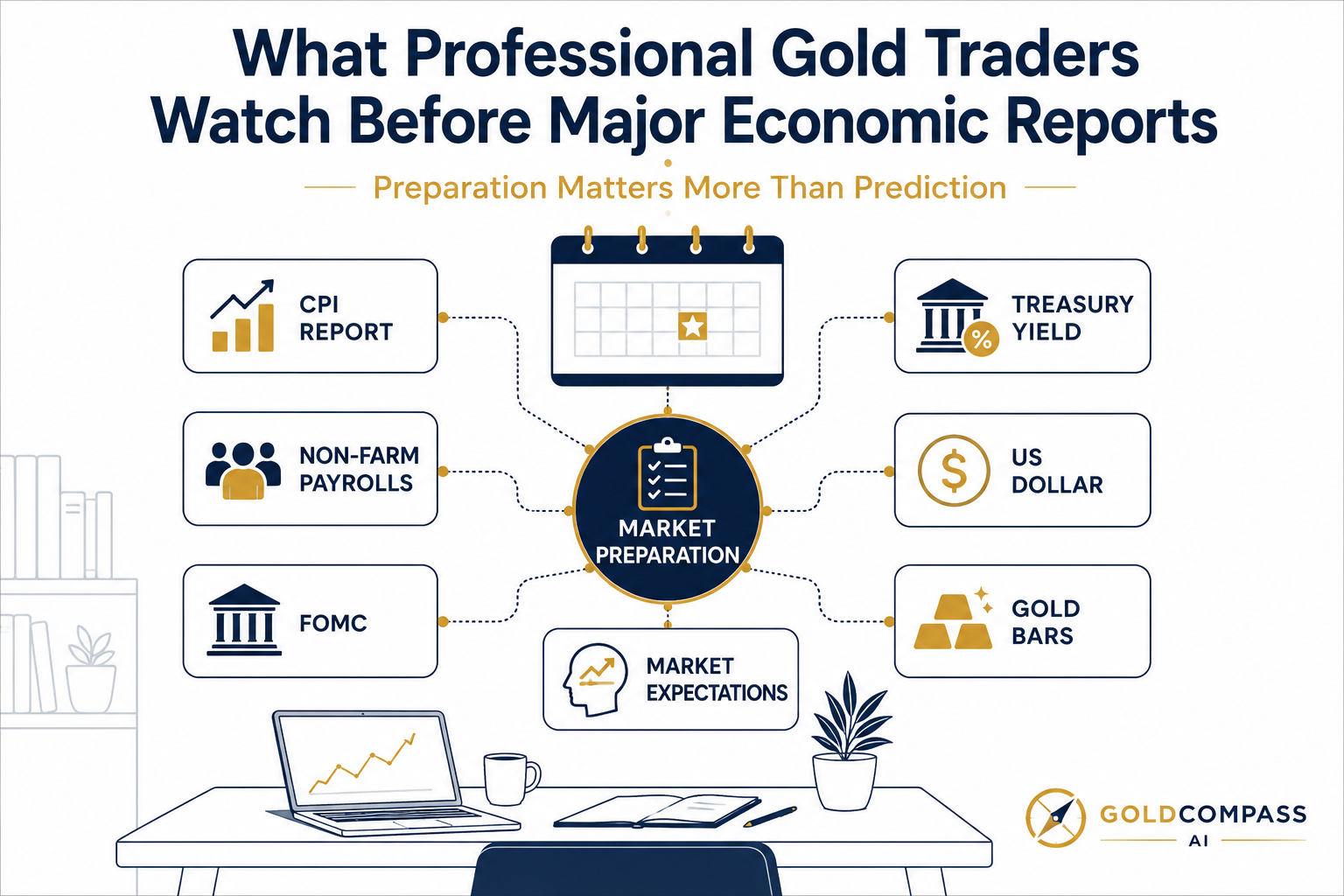
What Professional Gold Traders Watch Before Major Economic Reports
Learn how professional gold traders prepare before major economic reports by focusing on market expectations, key indicators, and risk—not predictions.
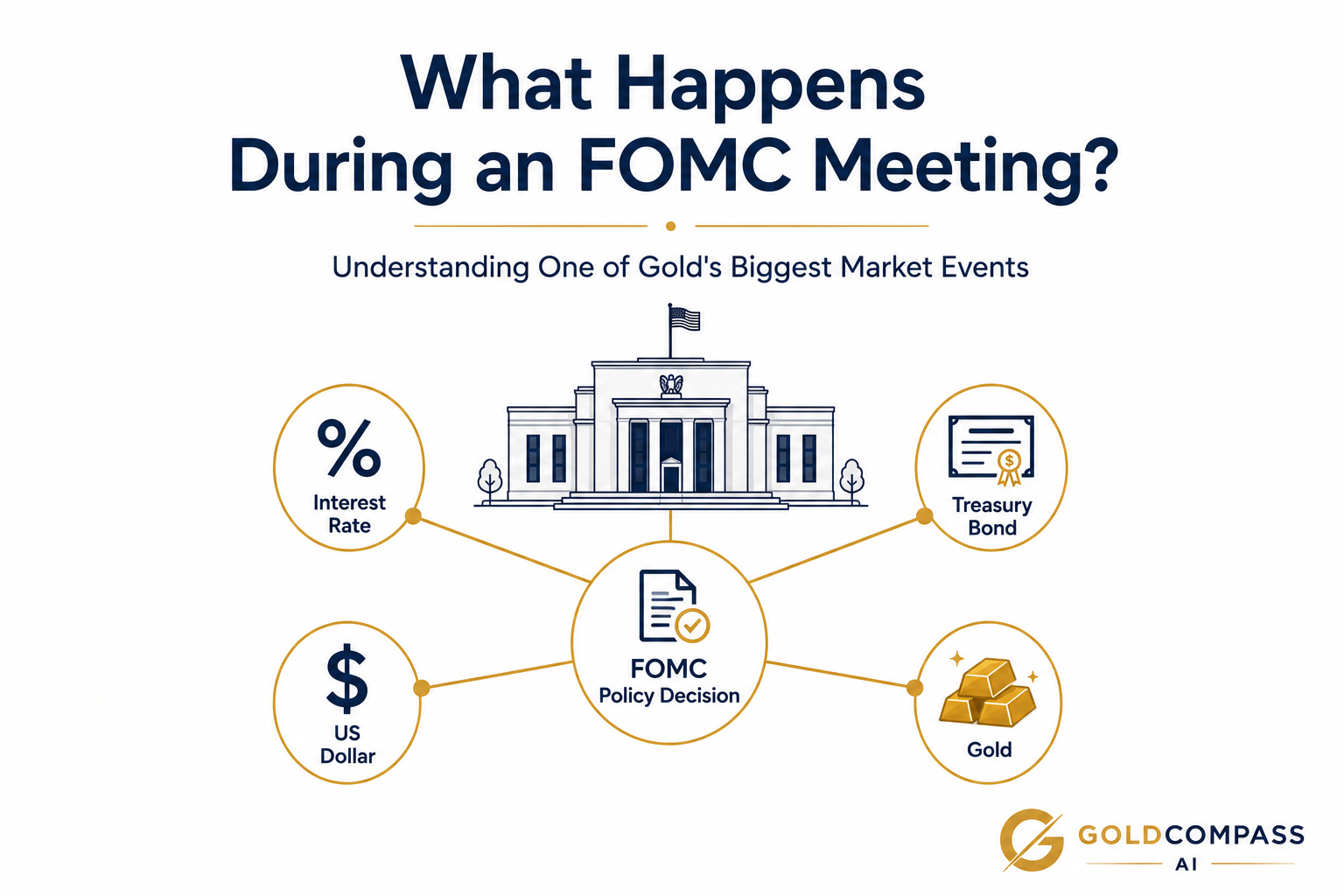
What Happens During an FOMC Meeting?
Discover how FOMC meetings affect gold prices, why market expectations matter more than headlines, and which economic signals professional traders monitor before every Federal Reserve decision.
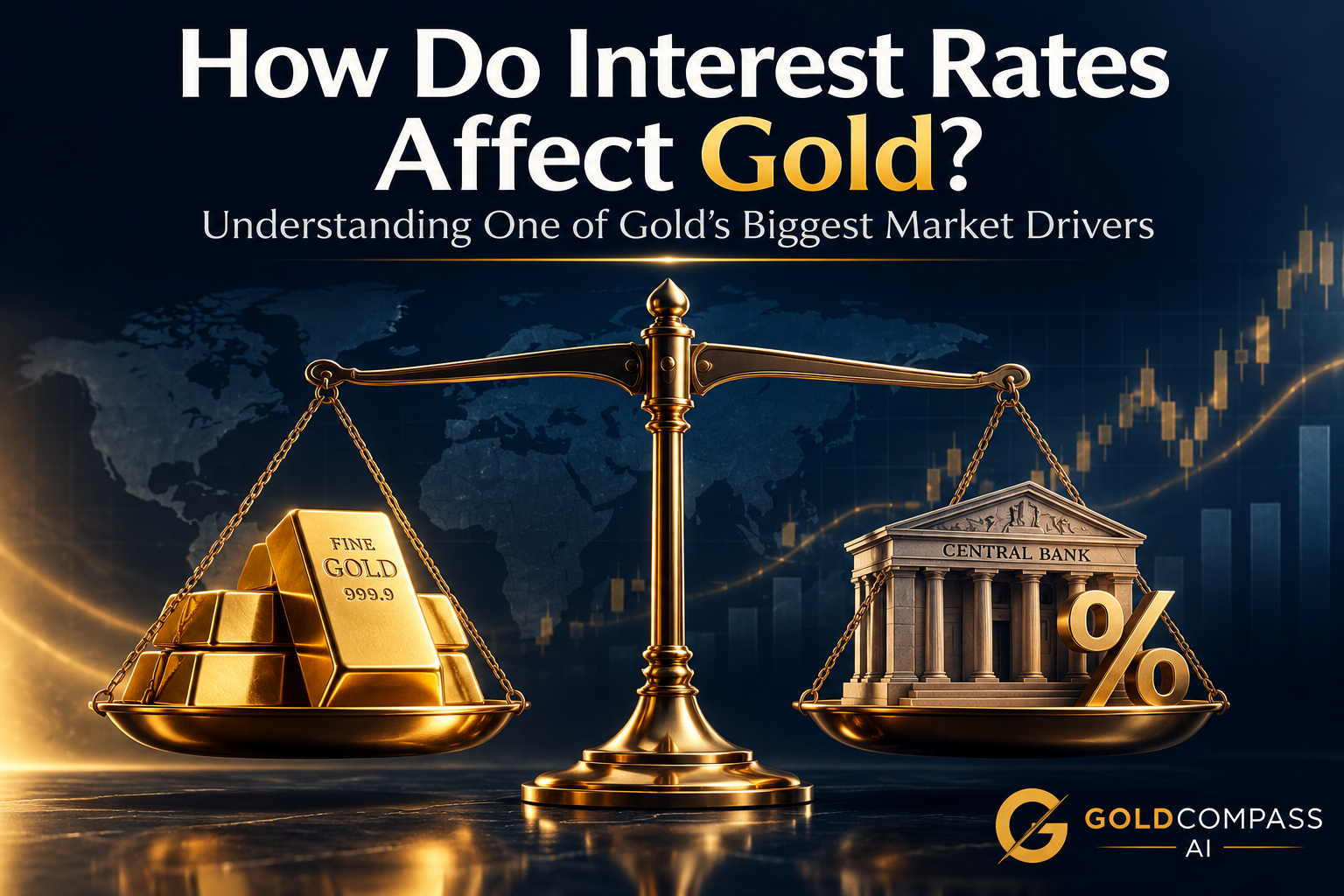
How Do Interest Rates Affect Gold?
Interest rates are one of the biggest drivers of gold prices. Learn why central bank decisions matter and how traders interpret rate changes.
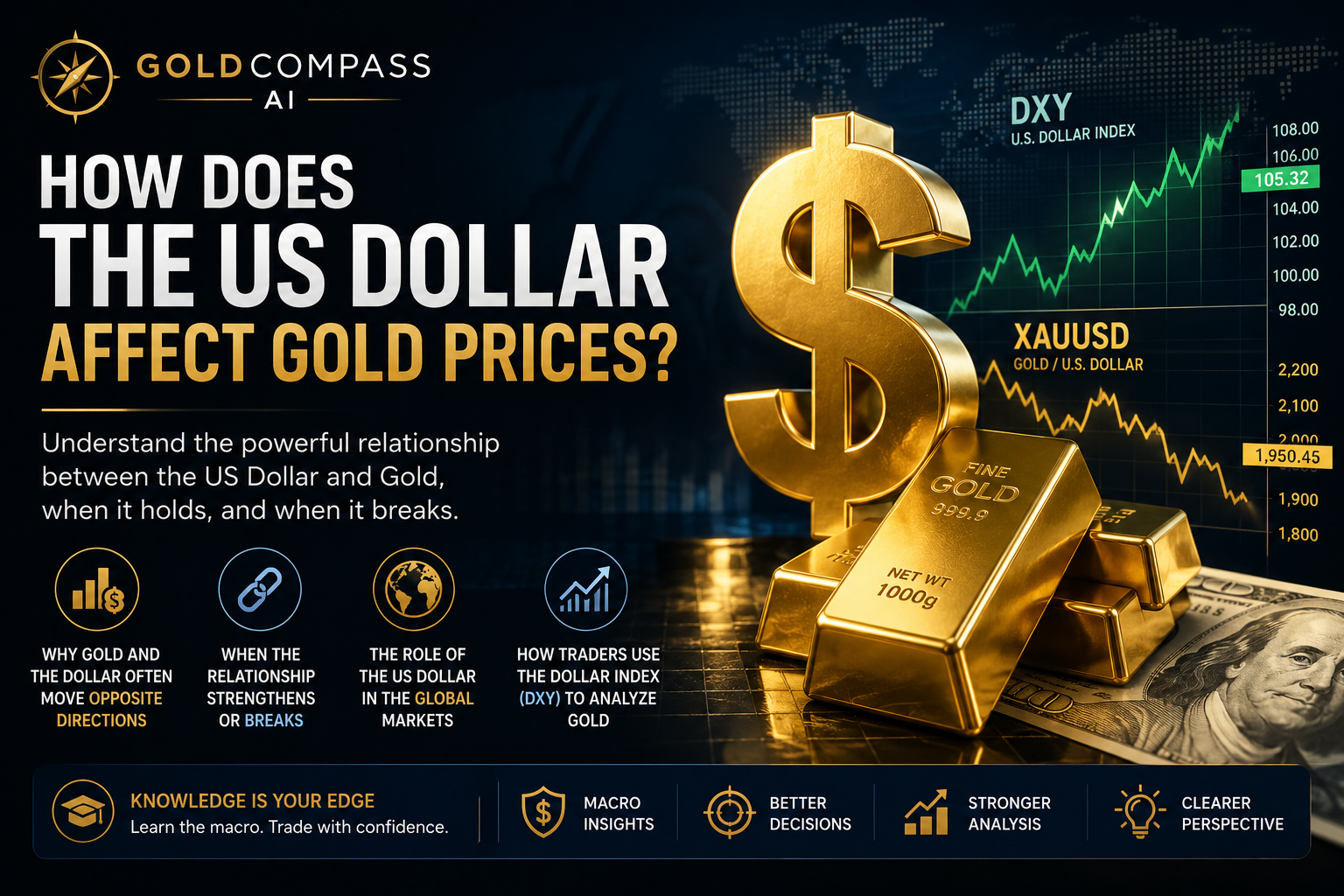
How Does the US Dollar Affect Gold Prices?
Discover why gold and the US Dollar often move in opposite directions, why this relationship sometimes breaks down, and how professional traders use the Dollar Index (DXY) to better understand the gold market.
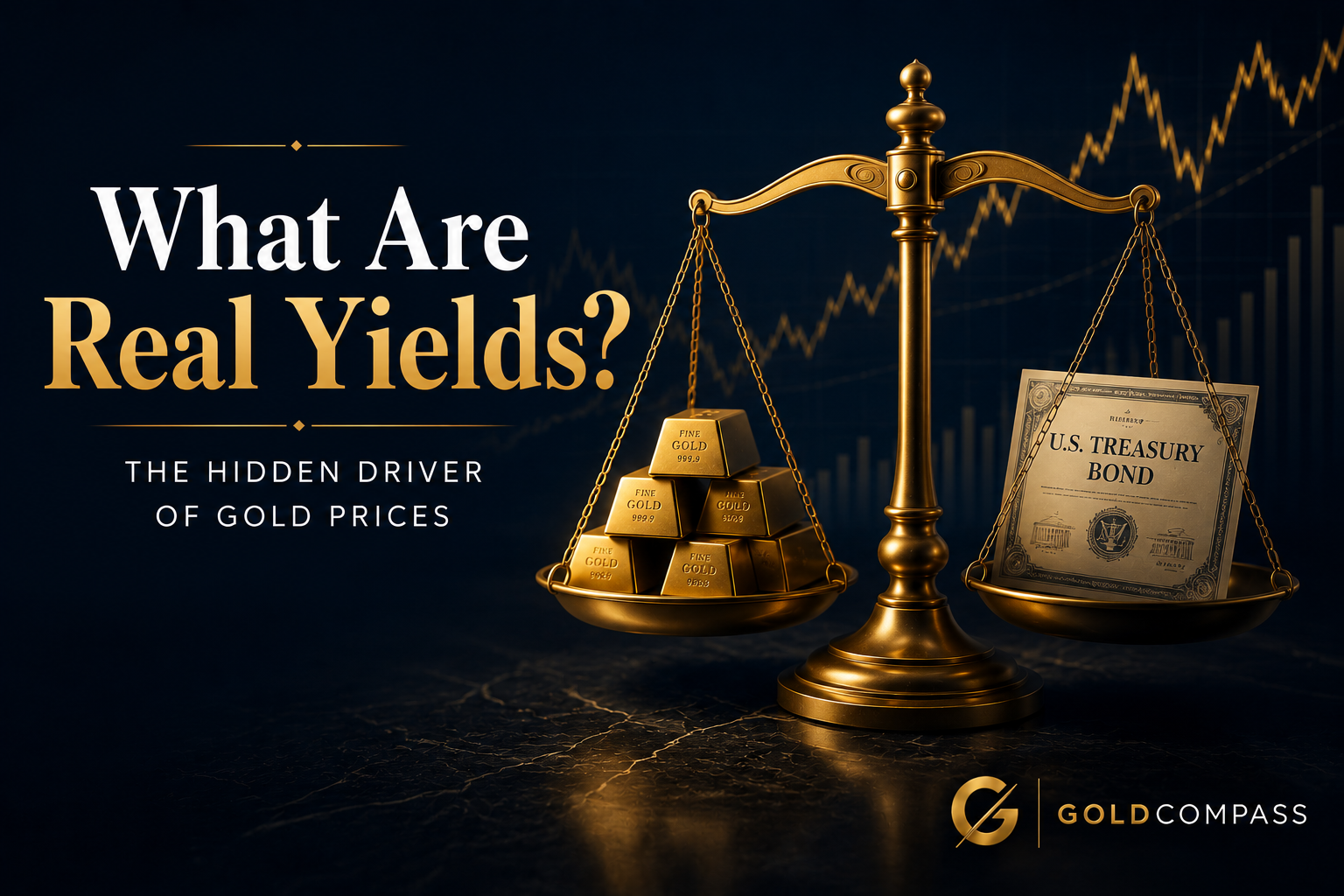
What Are Real Yields? The Hidden Driver of Gold Prices
Real yields are one of the strongest drivers of gold prices, yet many traders overlook them. Learn what they are and why professionals watch them closely.